
When Should You Choose an IC Forklift Over an Electric Model
Release time: 2026-10-23
Table of Contents
Choosing between an internal combustion (IC) forklift and an electric forklift depends on the working environment, daily operating hours, load requirements, and available energy infrastructure. While electric forklifts are often suitable for indoor warehouse operations, IC forklifts can be a practical choice for outdoor material handling, demanding work cycles, and sites where battery charging may interrupt productivity.
However, an IC forklift is not automatically the better option for heavy loads or long shifts. Buyers need to evaluate actual operating conditions, total ownership costs, and workplace requirements before selecting a model.
What Is the Difference Between an IC Forklift and an Electric Forklift?
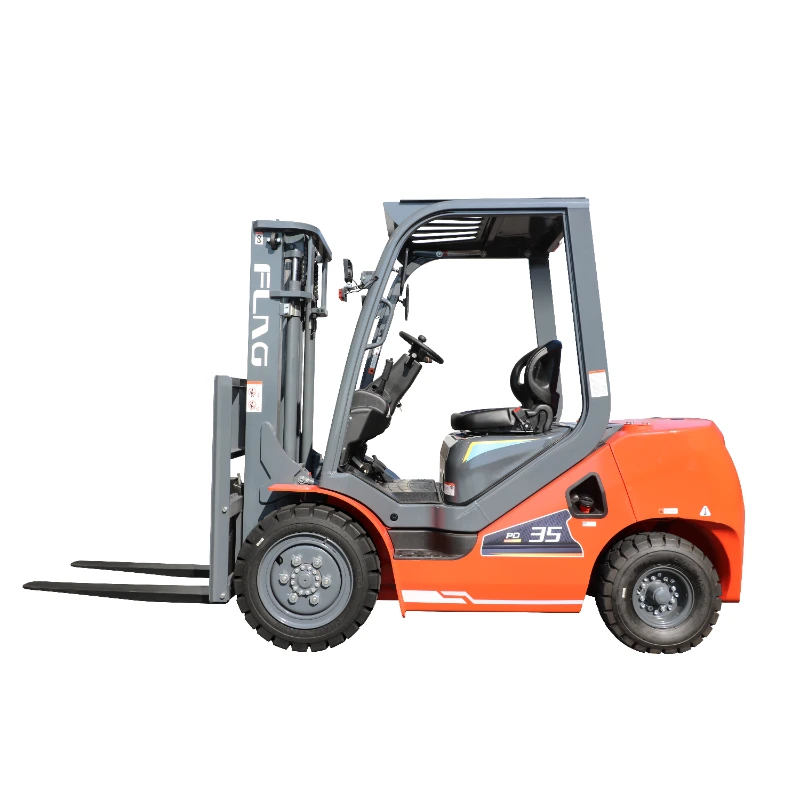
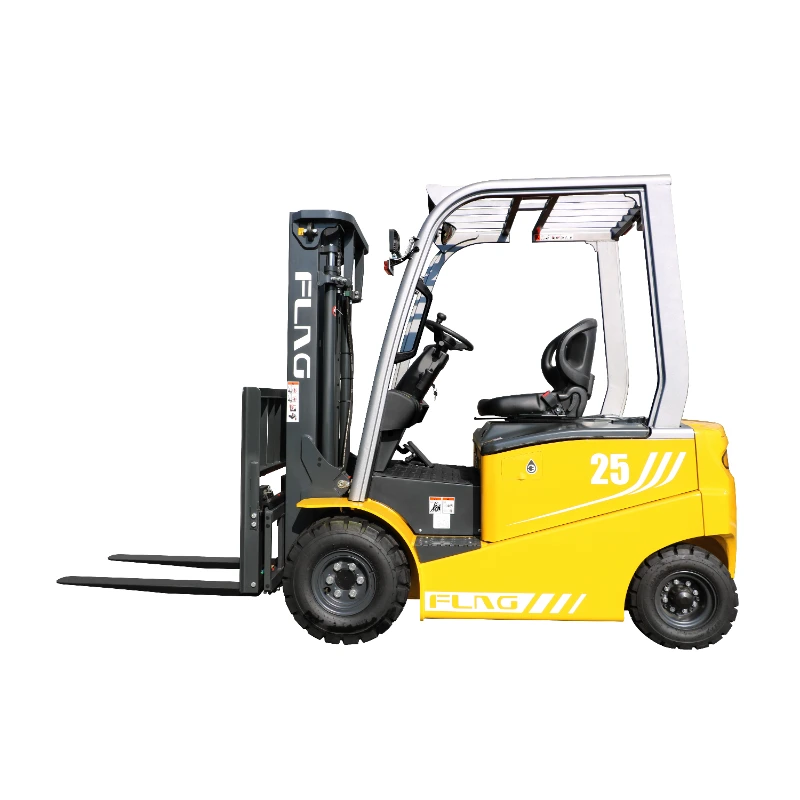
Internal combustion forklift trucks use an engine powered by a fuel such as diesel, gasoline, or LPG, depending on the model. Electric forklifts use rechargeable batteries to power their travel and lifting systems. These different power sources affect where each forklift can operate, how it is refueled or recharged, and what maintenance it requires.
| Selection factor | IC forklift | Electric forklift |
|---|---|---|
| Common applications | Outdoor yards, industrial sites, loading areas, and demanding material handling operations | Warehouses, distribution centers, and indoor manufacturing facilities |
| Energy supply | Fuel appropriate to the engine configuration | Rechargeable battery and compatible charger |
| Exhaust emissions | Produces exhaust emissions during operation | Produces no tailpipe exhaust emissions during operation |
| Noise | Generally louder because of the combustion engine | Generally quieter during operation |
| Refueling or charging | Refueling can be quick when fuel is available | Requires charging time or a planned battery management strategy |
| Maintenance | Includes engine, fuel, cooling, and other mechanical systems | Includes battery, electrical, drive, and hydraulic systems |
These are general differences. Actual performance and suitability vary by model, configuration, and working conditions.
When Is an IC Forklift the Better Choice?
An IC forklift may be worth considering when the work environment, operating schedule, or fuel infrastructure makes a combustion-powered machine practical.
Outdoor Material Handling and Loading Areas
Outdoor yards, construction material storage areas, and industrial loading zones may expose forklifts to dust, uneven surfaces, weather, and frequent movement between loading points.
For businesses evaluating an IC forklift for material handling, the decision should start with the site conditions and the loads being moved. Assess the forklift's tire configuration, ground clearance, rated capacity, and suitability for the surface. The engine type alone does not determine whether a forklift can work safely on rough ground.
A diesel forklift may be suitable for outdoor handling tasks when its specifications match the load requirements and site conditions. Before purchasing, check the machine's rated capacity, turning radius, lifting height, and tire type.
For operations that alternate between indoor and outdoor areas, also consider ventilation, exhaust emissions, and local workplace regulations. A combustion-powered forklift may not be appropriate for enclosed spaces without suitable controls.
Long Operating Hours and Limited Charging Opportunities
Some operations run forklifts for extended periods or across multiple shifts. If charging downtime is difficult to accommodate, an IC forklift may offer practical scheduling advantages because refueling can take less time than recharging a depleted battery.
This advantage depends on reliable fuel access, appropriate refueling facilities, and a suitable maintenance plan. Buyers should compare the expected time spent refueling with the time required for electric forklift charging, including any battery changes or charging breaks needed during a shift.
For continuous operations, calculate the total cost of keeping the forklift available rather than considering refueling time alone. Fuel consumption, routine servicing, operator requirements, and unplanned maintenance can all affect productivity.
Sites With Established Fuel Infrastructure
An IC forklift can be convenient when a facility already has suitable fuel supply arrangements and staff procedures for safe refueling.
Before selecting a diesel, gasoline, or LPG model, confirm which fuel type is supported by the specific machine. Fuel types are not interchangeable, and each has different storage, handling, and safety requirements.
Also consider fuel prices and availability in the destination market. A forklift that is practical to operate at one site may become more expensive if its required fuel is difficult to obtain locally.
When Is an Electric Forklift Still the Better Option?
Even when an IC forklift offers advantages in certain outdoor applications, electric models may be better suited to other operating conditions.
Indoor Warehousing and Enclosed Facilities
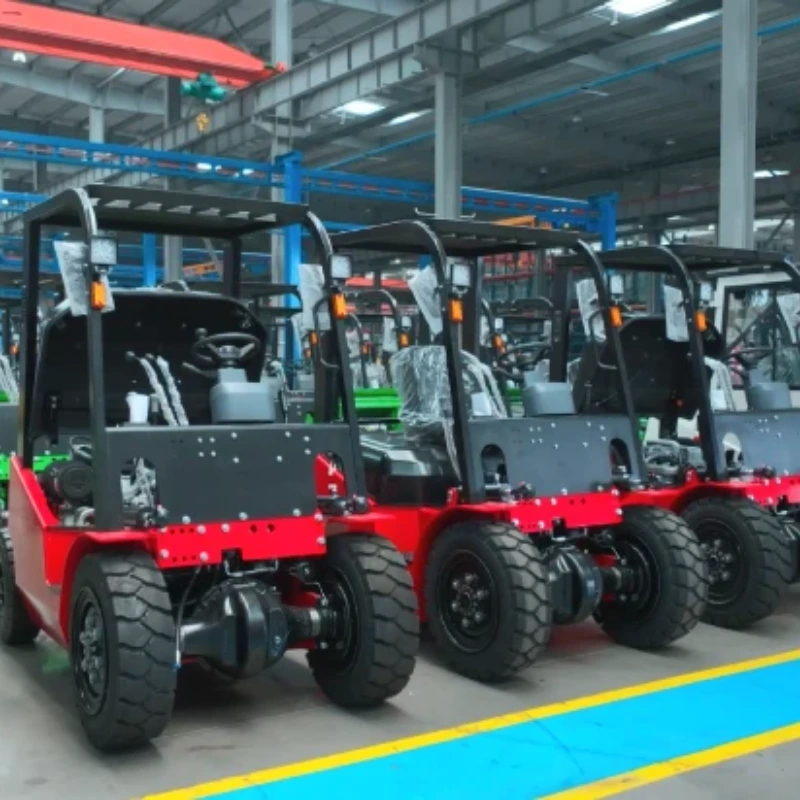
Electric forklifts produce no tailpipe exhaust emissions during operation, making them a common option for warehouses and other indoor facilities where air quality is an important consideration.
Combustion-powered forklifts require appropriate ventilation and must comply with applicable emissions and workplace safety requirements. The suitability of any forklift for an enclosed space should be assessed according to the specific machine, fuel type, operating conditions, and local regulations.
Noise-Sensitive Workplaces
Electric forklifts generally produce less operating noise than comparable combustion-engine models. This can be beneficial in facilities where employees work close to material handling equipment or where noise needs to be controlled.
However, overall workplace noise also depends on tires, floor conditions, warning alarms, and other equipment. Buyers should evaluate the full operating environment rather than relying on power type alone.
Operations With Predictable Charging Periods
An electric forklift can be a strong option when the operating schedule includes planned breaks or sufficient time for charging. A suitable battery and charging arrangement can support routine warehouse operations without requiring fuel storage on site.
The key is to match battery capacity and charging arrangements to actual usage. Consider shift length, lifting frequency, travel distance, load weight, and the availability of charging facilities.
Compare Load Capacity and Working Conditions Before Buying
A common mistake is to choose a forklift based only on its nominal capacity. Both IC and electric forklifts must be matched to the actual load, lifting height, and operating environment.
Before requesting quotations, establish the following requirements:
- Load weight and dimensions: Determine the heaviest load and whether its shape affects the load center.
- Lifting height: Check the maximum rack or stacking height and the required mast configuration.
- Surface conditions: Identify whether the forklift will operate on smooth concrete, outdoor paving, or uneven ground.
- Operating space: Measure aisle widths, turning areas, loading docks, and access points.
- Daily utilization: Estimate operating hours, travel distances, and lifting frequency.
- Energy availability: Compare local fuel availability with the electrical supply and charging options.
- Safety requirements: Review ventilation, operator training, site rules, and applicable equipment regulations.
A forklift's rated capacity may decrease as the load center increases or the load is lifted higher. Always check the manufacturer's capacity plate and load chart for the intended configuration.
Compare Total Operating Costs, Not Just Purchase Price
The initial purchase price is only one part of the investment. An IC forklift and an electric forklift have different ongoing cost structures, so the more economical option depends on how the equipment will be used.
For an IC forklift, consider fuel consumption, engine servicing, filters, tires, repairs, and any fuel-handling infrastructure required at the site.
For an electric forklift, consider electricity consumption, battery service life, charging equipment, battery replacement, and maintenance costs. Charging arrangements should also be assessed against the required operating schedule.
A useful comparison estimates the cost per operating hour over the planned ownership period. Use realistic annual operating hours and local energy prices, and include expected maintenance and downtime. This makes it easier to determine whether the convenience of rapid refueling outweighs the potential operating advantages of an electric model.
What Should You Check Before Purchasing an IC Forklift?
Once an IC forklift appears suitable for the application, buyers should evaluate the specific model and supplier.
First, confirm the engine and fuel configuration, rated capacity, lifting height, transmission, tire options, and overall dimensions. These specifications should correspond to the actual work rather than a general description of the machine.
Next, ask about routine maintenance requirements, spare parts availability, warranty coverage, and technical support in the destination market. If the forklift will operate for long hours, access to servicing and replacement components can be particularly important.
Finally, verify that the equipment meets the applicable safety, emissions, and import requirements for the country where it will be used. Do not assume that a model permitted in one market automatically meets another market's requirements.
Choose the Right Forklift for Your Operation
An IC forklift may be the right choice when outdoor work, refueling convenience, and the site's operating conditions align with a combustion-powered machine. An electric forklift may be more appropriate when indoor air quality, lower operating noise, and planned battery charging are priorities.
The decision should be based on the actual workload, not a blanket assumption that one power type is always better. Compare load capacity, operating hours, energy costs, maintenance requirements, and site conditions before making a final selection.
When comparing an IC forklift truck with an electric model, review the specifications, available configurations, and after-sales support for your destination market. FLAG Forklift can be included in your supplier evaluation. Share your required capacity, working environment, daily operating schedule, and destination market to help identify suitable models and request specifications.